Moth-Proof Your Wool Rugs
Protect your valuable rugs from insects, beatles, and moths that thrive and nest in natural fibers including wool. We offer complete mothproofing services for your Persian wool and Oriental rugs. Our thorough rug washing process will eliminate all signs of moths, beetles, and larva.
Moth & Insect Repellent
If left untreated, moths and insects can ultimately ruin your wool apparel, home furnishings, and your wool rug. We provide insect-proofing and protection services to fully eradicate and prevent moth eggs and larvae that feed on your rug’s wool pile.
For wool rugs that do not have moth damage but are looking for a preventative measure, we offer a moth and insect deterrent. This deterrent gives your wool rug fibers an unpleasant taste, causing the insects never to have it for a meal.
The Basics of Mothproofing | Martha Stewart Blog
How Did I Get Carpet Beetles?
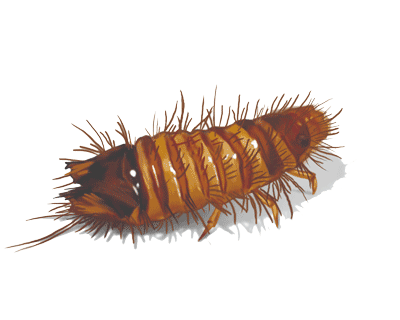 Due to their diet of fabric and animal products, carpet beetle larvae can thrive in homes if left alone.
Adults fly inside through open doors and windows to lay eggs on furniture, clothing, or rugs and often are introduced when infested items are brought inside a home.
If homeowners don’t keep items clean and well maintained, a new carpet beetle brood may hatch and start the cycle again.
Source: Carpet Beetle Larva – Orkin
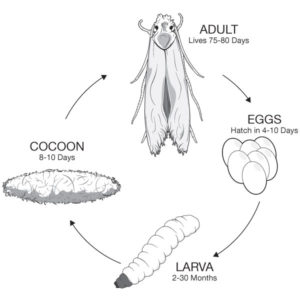
A moth infestation is a catastrophe for a Persian or Oriental rug. Adult moths do no damage to your rug, but they lay hundreds of eggs that hatch into larvae and consume wool or silk fibers in mass quantities.
After your rug is washed and completely dry, the moth repellant solution is professionally applied and laid to be completely dry.
Mothproof your rugs today!
- Non-toxic.
- Family and pet safe.
- No scent, odor, & does not change rug appearance or feel.
- Effective for up to 1 year.
What to Avoid
Do not use mothballs or flakes. These materials have a little repellent effect and the odor imparted to the rug can be difficult to remove.
Identifying Carpet Moths
An infestation often involves more than one rug and can spread to (or from) woolens, furs, or sweaters. You may not notice any problems until it is too late. At the first sign of a problem, call 443-883-5825 for expert help and guidance.
How to Spot Moth Damage
When inspecting your area rug, pay close attention to check for bald spots in the pile. Delicate moth netting covering part of the rug’s surface can usually be seen in severe infestations.
Eliminating Moths & Carpet Beetles
If your rug is infected or you’re seeing signs of early infestation, remove and inspect your rug for damages. Regardless, you should immediately remove your rug from your home. Call us to learn what the best course for action is.
The Best Way to Prevent an Infestation
The best way to prevent an infestation is the periodic inspection of rugs, whether stored or not, as well as the carpets and wool, silk and cotton textiles in your home. Particularly areas under furniture. Moths can hide under rugs too, especially under a rug on over hardwood floors (in-between the cracks).